25 November 2025 Sarah’s Socials | Post 2
For Homeowners Associations (“HOAs”) and Bodies Corporate, renewable energy is not just about keeping the lights on; their about keeping up with the times, adding significant value, and meeting the changing needs of its members.
At TVDM Consultants, we understand that navigating the intersection of community scheme management and renewable energy compliance can be complex. That is why this article aims to provide insight into the emerging needs for alternative energy solutions in South Africa, as well as how community schemes could capitalise on opportunities to participate within the movement of generation of renewable energy in South Africa .
The growing power demands: Electric vehicles and beyond
The demand for electricity in South Africa is only growing, which places increasing pressure on our already strained national grid. While the public sector is working to meet these needs, community schemes may need to look internally for reliable and sustainable solutions.
One of the major drivers of this demand is the rise of electric vehicles (“EVs”). One of our Directors, Zerlinda van der Merwe, recently attended the Estate Living West Coast Community and Property Management Networking Event conference, where a representative from PEC Utility Management shared some fascinating statistics. According to their insights, the shift is happening faster than many anticipate. By 2030, EVs could make up as much as 20% (twenty percent) of the new car market in South Africa.
In light of the above, the implications for community schemes are enormous, as it is likely that the supporting infrastructure needed to support EVs will have to be installed on common property.
Therefore, a Body Corporate or HOA that was built with a traditional parking layout is now faced with the reality of needing multiple dedicated charging points, which can draw substantial power, often at peak times.
This push towards EVs, coupled with the daily threat of loadshedding and general electricity instability, makes the transition to renewable energy less of a luxury and more of an operational necessity. Bodies Corporate and HOAs that fail to adapt to these modern developments risk becoming less attractive to prospective buyers, and may face significant challenges in managing utility costs and reliable supply.
Solar power: The perfect fit for community living
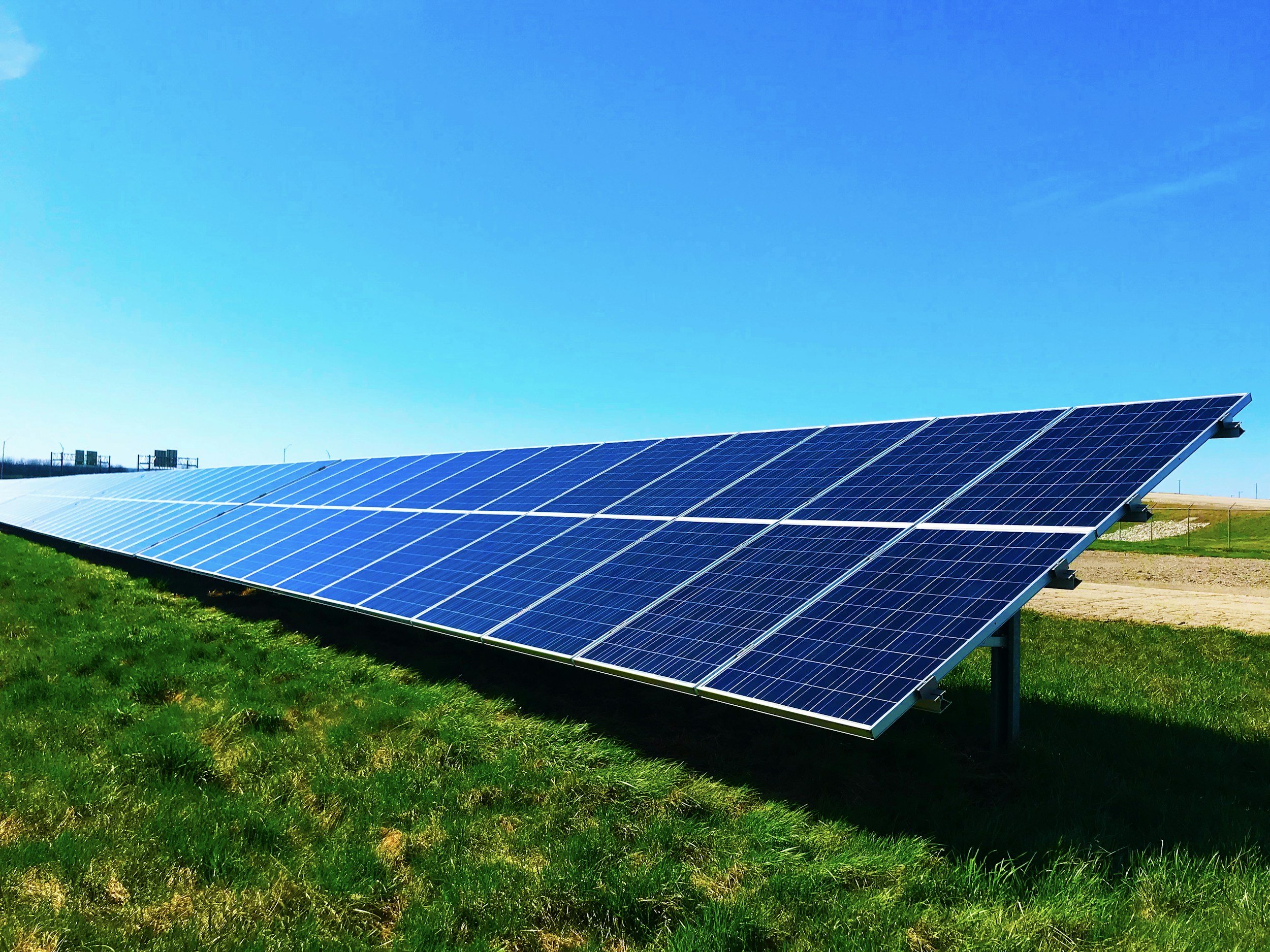
South Africa is blessed with an abundance sunshine, an energy source we can and should be harnessing. For most Bodies Corporate and HOAs, solar photovoltaic (“PV”) systems offer an ideal solution for several practical reasons:
Ideal roof space: Sectional title schemes in particular often feature large, flat, or minimally obstructed roof areas on common property. This space is perfectly suited for installing the large array of solar panels required to generate substantial power for communal areas or even the entire scheme.
High supply demand: Bodies Corporate, in particular, often have a consistently high shared electrical demand for essential services like security, lighting, gate motors, lifts and communal geysers. A centralised solar system can significantly offset these costs, offering immediate and noticeable savings.
Forward-thinking approaches to infrastructure: Installing a system now allows the scheme to manage the integration of future power demands, like those from EV charging, in a controlled and sustainable way, rather than scrambling to upgrade grid connections later costs are driven up by demand.
Legal and financial opportunities for proactive schemes
Investing in a solar solution goes far beyond just reducing your loadshedding woes; it offers tangible financial and legal advantages.
When a solar system generates more electricity than the scheme needs, a common occurrence on sunny days, that surplus energy can be fed back into the municipal grid, which may result in either a credit on municipal accounts or direct cashback.
While this process is regulated and requires approval from the relevant utility provider, Eskom or your local municipality, it presents a significant opportunity for community schemes to capitalise on this alternative energy source.
Navigating installation and ownership
When a Body Corporate considers the installation of solar PV systems, there are a multitude of ways to go about it.
The appropriate approach will depend on your community scheme’s unique financial position and needs, but it is crucial that all decisions follow the requirements set out in the relevant legislation, and your scheme’s governance documentation, including the necessary resolutions.
Conclusion | Solar power is the way forward for community schemes
The global shift towards clean energy is undeniable, and South African community schemes are perfectly positioned to lead this change at a local level. By embracing solar power, Bodies Corporate and HOAs are not merely reducing their electricity bills; they are making a prudent, long-term investment in a more reliable, valuable, and sustainable future for each of their members.
Reach out to info@tvdmconsultants.com or call 061 536 3138, if you need assistance reviewing your scheme's current governance documents to draft a comprehensive solar panel or charging port installation rules that comply with all relevant legislation and prepares you for the EV and renewable energy future.

About the author
Sarah Sydenham is a community schemes consultants at TVDM Consultants.
Sarah is also an admitted attorney, brings a well-rounded legal background and a passion for community schemes to her role.
After completing her LLB at Stellenbosch University, Sarah pursued an LLM in Public Law at the same institution, where she was supervised by the former Public Protector, Professor Thuli Madonsela. During the final year of her master's degree, she worked at the Law Faculty's Social Justice Centre, understanding the practical influence of the law in everyday life.
Learn more about Sarah Sydenham.
