
Judgment against the City of Cape Town: Charges declared invalid and unlawful
08 May 2026
Sarah’s Socials | Post 7
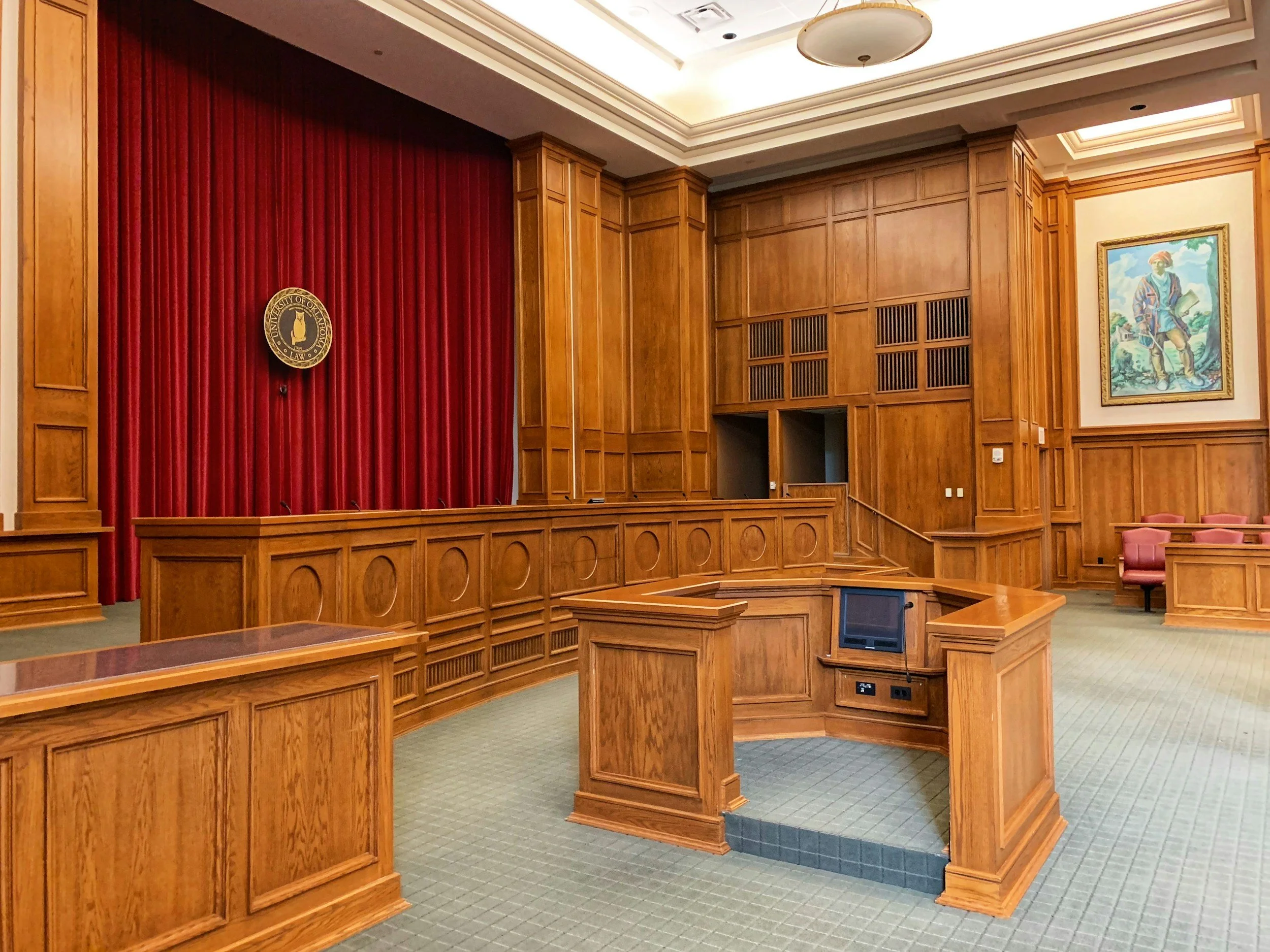
On the afternoon of Thursday, 30 April 2026, our TVDM Consultants virtual office came alive. The email notification arrived from the Western Cape High Court (“the Court”): The judgment for South African Property Owners Association (“SAPOA’s”) case against the City of Cape Town (“the City”) had been uploaded. Phones rang, messages flew, and for a good few hours, our team were deep in a 47 page judgment, pulling out everything of importance to bodies corporate and sectional title owners across Cape Town.
The short version: The City lost. All three charges, the city-wide cleaning charge, the fixed water charge, and the fixed sanitation charge, have been declared unlawful and invalid. But as always with legal matters, the short version is only half the story.
What did the Court find?
The Court found that the City tried to have it both ways. The charges were calculated using property value brackets (which looks very much like a rate) but the City did not follow the strict legal process that the Municipal Property Rates Act 6 of 2004 requires when imposing rates. At the same time, the charges failed to qualify as lawful service tariffs either, because the Municipal Systems Act requires that tariffs be broadly proportional to use. A fixed charge based on the value of your property has nothing to do with how much water you actually use.
In our first article on this case, we explained this exact tension: The costly difference between a rate and a tariff. The Court has now confirmed what we suspected. The charges fell between two stools: not lawful as rates, not lawful as tariffs.
The City's argument, and why it matters to you
Here is something worth knowing before we get to the practical stuff: The City did not just argue that it had the legal power to impose these charges. It argued that they were the right thing to do.
The City's position was that linking charges to the value of your property was a deliberate choice, a way of making higher-value properties carry more of the cost, so that lower-value properties and lower income households could access services more affordably.
But here is what the Court said: wanting to do the right thing does not give you the right to do it any way you like.
In South Africa, municipalities have specific powers set out in law. If the City wants to charge you based on the value of your property, there is a process for. That process involves public participation, a formal rates policy, and compliance with the Municipal Property Rates Act. The City skipped that process. It also could not show that these specific charges were actually proportional to the cost of the services being provided.
The Court's message was simple: good intentions do not override the rules. And for ratepayers, including owners in community schemes, who were handed these charges without a clear explanation of where the numbers came from, that is exactly the kind of accountability that matters.
What the order means in practice (and what it doesn't mean)
This is the part we know you've been waiting for.
The charges are declared invalid from 30 June 2026. Not from 1 July 2025 when they were introduced. That distinction matters enormously.
If your body corporate has been paying these charges since July 2025 and recovering them from owners, the Court's order does not unwind any of that. The charges that were imposed up to 30 June 2026 remain in force. A refund programme is unlikely: The Court's order is prospective, not retrospective. The City has been given until 30 June 2026 to address any budget shortfalls that result from the charges being declared invalid going forward. In effect, the 2025/2026 budget year is being left alone. The City must simply do better from 1 July 2026 onwards, when its new budget takes effect.
We know that will be frustrating for owners who have been paying these charges for close to a year. But it is how Courts often manage declarations of invalidity where unwinding past transactions would create enormous administrative chaos or become practically unviable.
What about an appeal?
The City has not yet indicated whether it will appeal, and we are watching this closely.
If the City does decide to appeal, it will almost certainly apply for a stay of execution, in other words, a request that the invalid charges continue to be collected while the appeal is heard. If that application succeeds, nothing changes on the ground until the appeal is finalised. If it fails, the City would need to restructure its tariffs before 1 July 2026.
Given the financial stakes, as these charges were generating significant revenue, an appeal cannot be ruled out. We will publish further guidance the moment there is any movement on this front.
What should your scheme do now?
For the immediate term, nothing changes. If you have been recovering the charges from owners using the City's valuation schedule (as we recommended in our second article: How should your body corporate recover the City of Cape Town's fixed charges), continue doing so until further notice. If the City appeals and obtains a stay, these charges will remain payable.
Your trustees should, however, flag this in any upcoming AGM or trustee meeting: the landscape may look different from 1 July 2026, and your budget for the new financial year should be prepared with that uncertainty in mind. We recommend waiting for clarity on appeal before making any budget changes.
As always, if your scheme needs guidance on how to navigate this, reach out to us at info@tvdmconsultants.com or call 061 536 3138. We are here.

About the author
Sarah Sydenham is a community schemes consultants at TVDM Consultants.
Sarah is also an admitted attorney, brings a well-rounded legal background and a passion for community schemes to her role.
Learn more about Sarah Sydenham.
