
At a glance: Diwali celebrations in Homeowners' Associations (HOAs) can raise questions about fireworks, noise, religious freedom and estate rules. HOAs and owners must balance the right to celebrate cultural and religious traditions with applicable legislation, municipal by-laws, safety requirements and neighbours' right to peaceful enjoyment.
What is Diwali and how does it impact HOAs?
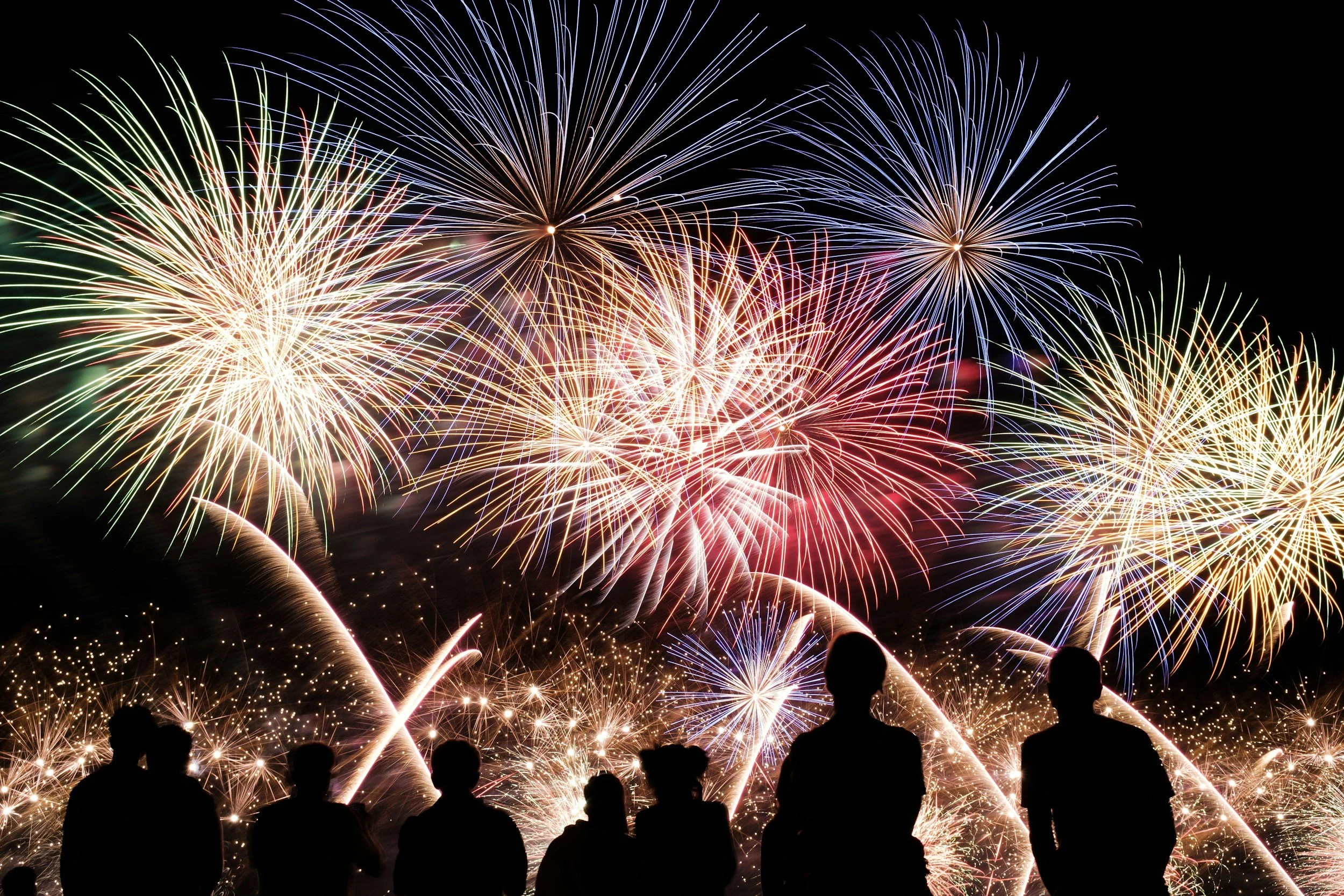
Diwali, the Festival of Lights, is an important religious and cultural celebration for many South Africans. Families may mark the occasion with prayers, traditional lamps (known as diyas), decorations, festive meals and, in some cases, fireworks.
In a diverse residential estate, the challenge for an HOA is to accommodate cultural and religious practices while protecting owners’ safety, privacy and peaceful enjoyment of their homes.
What does the Constitution say about religious and cultural rights?
Sections 9, 15, 30 and 31 of the Constitution of the Republic of South Africa, 1996 protect equality, religious freedom and cultural rights. HOAs should therefore avoid rules or enforcement practices that unfairly discriminate against any particular religious or cultural communities.
These rights do not, however, exempt owners from complying with lawful safety requirements, noise restrictions or reasonable estate rules. The same standards should apply to comparable activities during Diwali, Christmas, Eid, Hanukkah, New Year and other celebrations.
Does this mean I can set off fireworks in my HOA?
Not necessarily, fireworks can cause injuries, fires, property damage, noise disturbances, and distress to animals and vulnerable owners.
In addition to the above, the use of fireworks is regulated by the national legislation and regulations, as well as relevant municipal by-laws. Owners should not assume that fireworks are permitted simply because they are being discharged on private property or during a religious celebration.
An HOA may regulate or prohibit fireworks within its estate where its governing documents and applicable law permit it. Any restriction should address legitimate concerns, such as fire hazards, the proximity of homes and the safety of owners, rather than the religious significance of the occasion.
Permission from an HOA does not override a municipal prohibition or replace the need for a legally required permit.
What about celebratory decorations?
The applicable title deed conditions, estate rules and other governing documents remain relevant. Owners should take reasonable precautions when lighting traditional diyas, particularly near combustible materials, wooden decking, dry vegetation and neighbouring units. Safe placement, supervision and suitable alternatives, such as battery-operated lamps, can help reduce fire risks.
Decorations, religious displays and temporary installations are also subject to estate rules, particularly where they affect shared walls, entrances, roads or communal areas.
Common property presents additional considerations. A resident should obtain any required approval before using communal facilities for a gathering, installing decorations on shared structures or arranging an event. HOAs may impose reasonable conditions concerning bookings, noise, parking, waste removal and the restoration of common areas.
Managing noise complaints during Diwali celebrations
Excessive noise from the use of fireworks that unreasonably disturb neighbours may justify intervention.
HOAs should assess complaints objectively, taking into account applicable rules, municipal requirements, the nature of the disturbance and the surrounding circumstances. The same approach should apply consistently to all owners, regardless of their religious or cultural background. The question of reasonableness must always be factored in.
Where a breach of the HOA’s conduct rules is established, the HOA may impose fines or penalties levied to the applicable resident’s account, provided that the rules expressly authorise such fines and that the prescribed procedures are followed.
Any fine should be:
reasonable in amount,
proportionate to the nature and severity of the contravention, and
imposed consistently.
It is vital to highlight that a fine should not be used as a means to penalise or ban the celebration of a particular religious or cultural festival, but rather to address objectively established misconduct or unreasonable disturbance.
Balancing religious freedom with owners' rights and safety
A well-managed estate should allow owners to celebrate their traditions without compromising the rights and safety of others. Diwali need not become a source of conflict if owners act responsibly and HOAs communicate clearly.
The objective is not to restrict cultural expression unnecessarily, but to balance constitutional rights with lawful estate management and consideration for neighbours.
Celebrating diversity begins with respect - both for our own traditions and for the people with whom we share our homes and communities.
The guiding principle is simple: respect the celebration, but do not disregard the rules.
What should HOAs do before Diwali?
Before Diwali, or any other significant cultural or religious occasions, HOAs should consider the following;
Review the rules governing fireworks, open flames, noise, decorations and common property.
Confirm the applicable municipal restrictions and permit requirements.
Communicate the rules and safety precautions to owners in advance.
Apply restrictions consistently and avoid discriminatory enforcement, and
Encourage communication, reasonable accommodation and safe alternatives where possible.
If your scheme needs assistance amending/reviewing its rules, contact info@tvdmconsultants.com today!